
Bank Of Upper Canada 1850 Penny
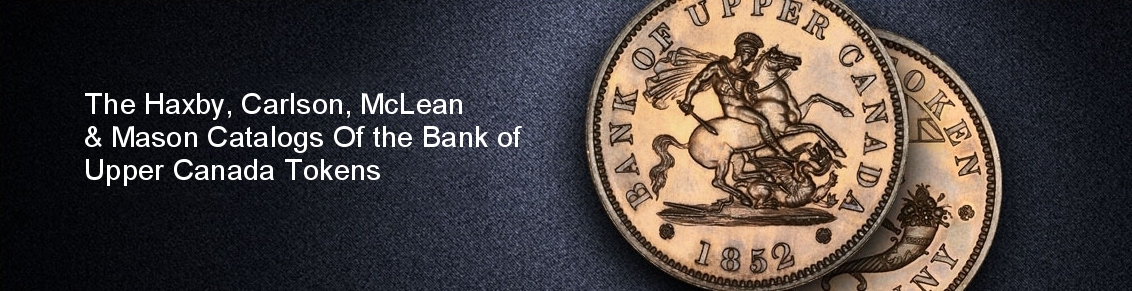
BUC-232
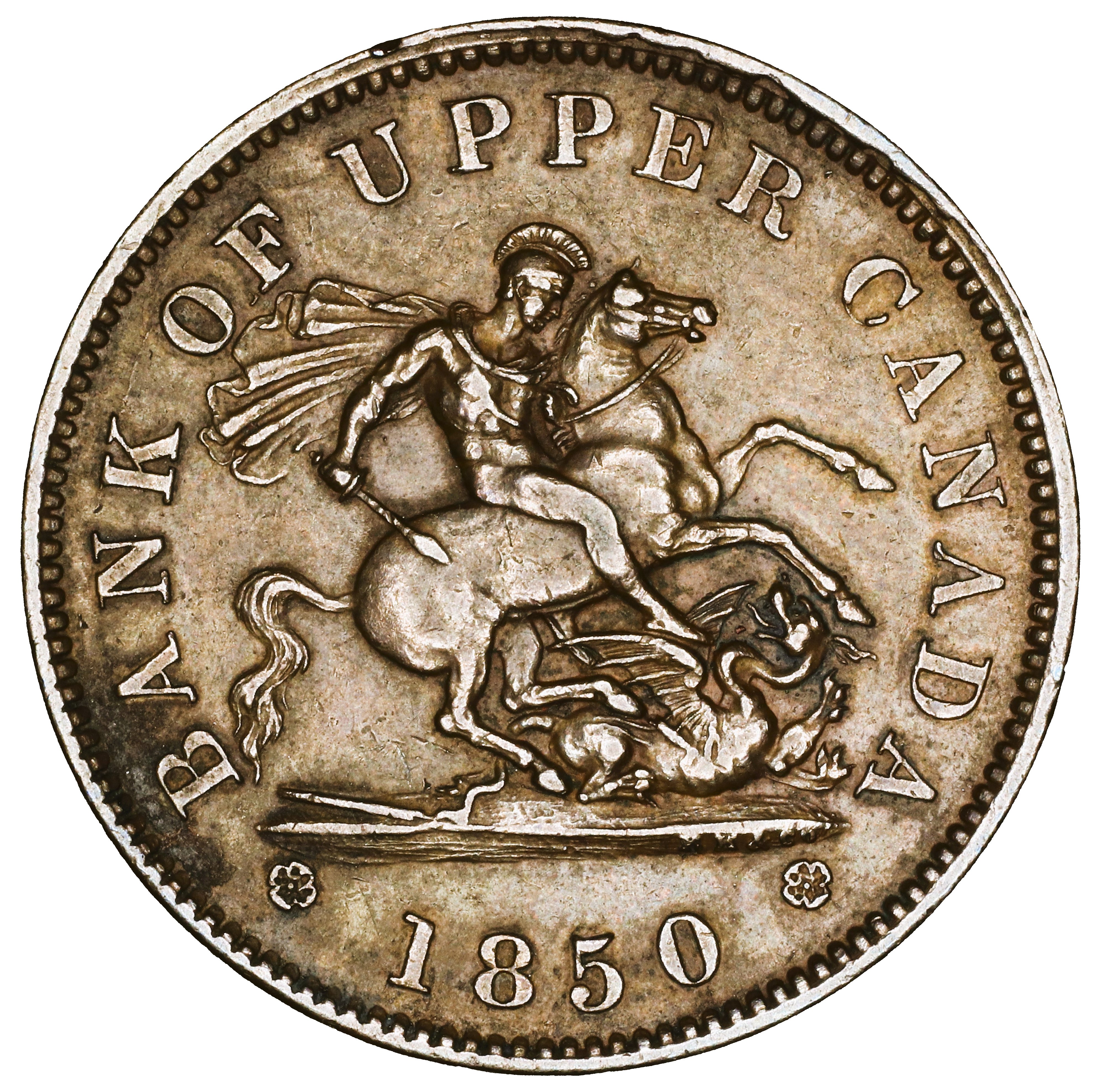
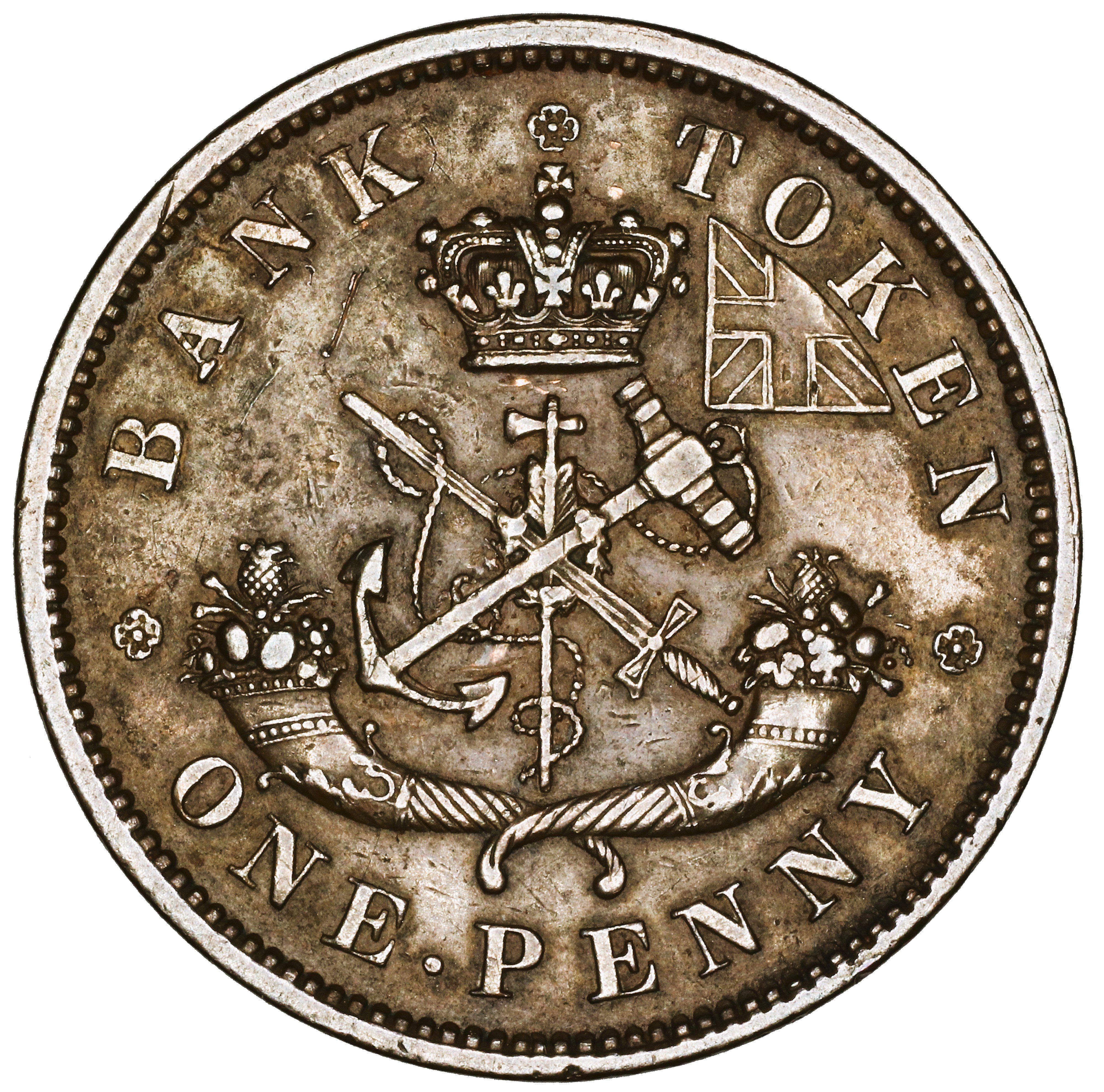
Courteau R10
B. Die Pair-Specific Comments
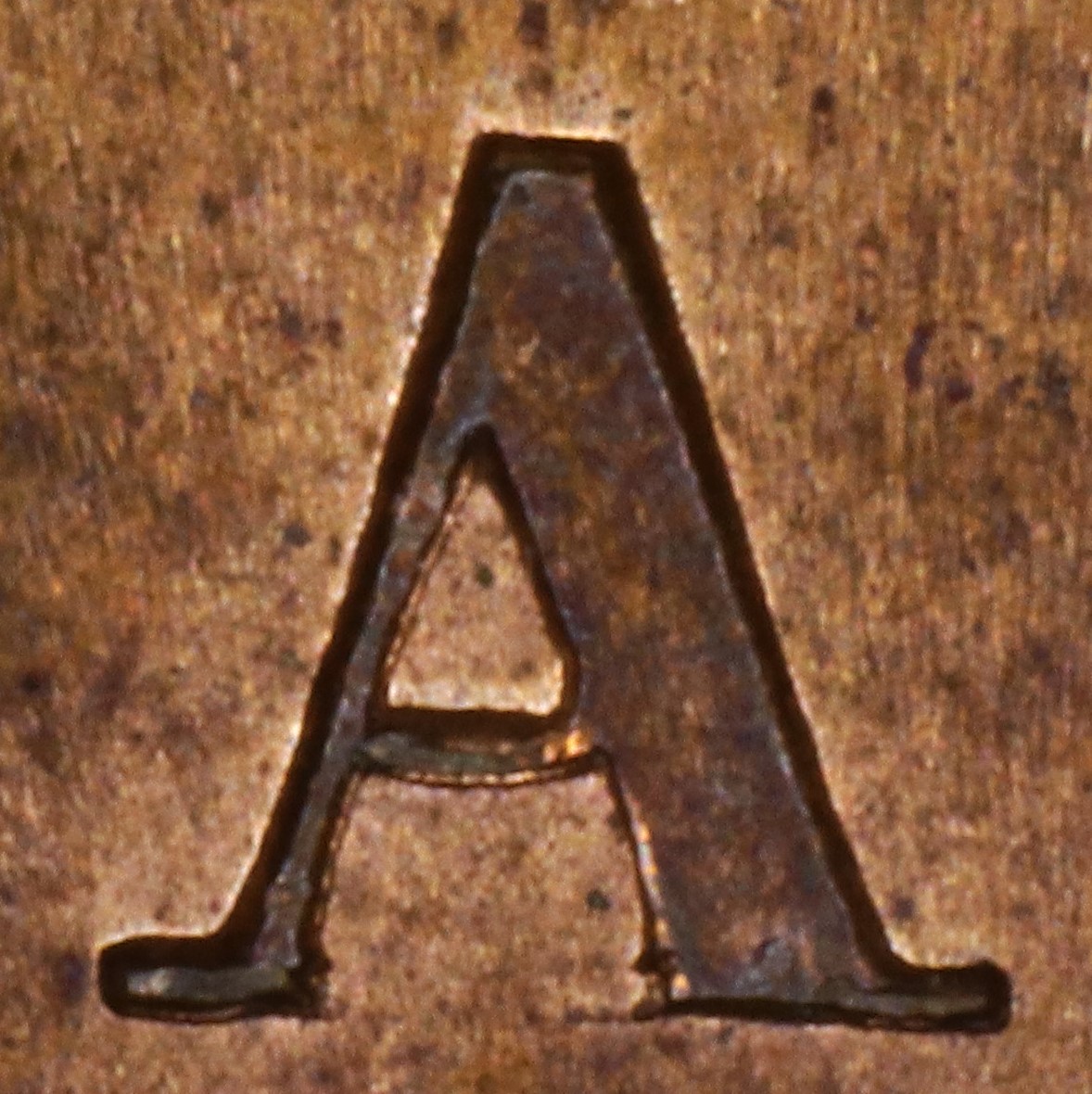
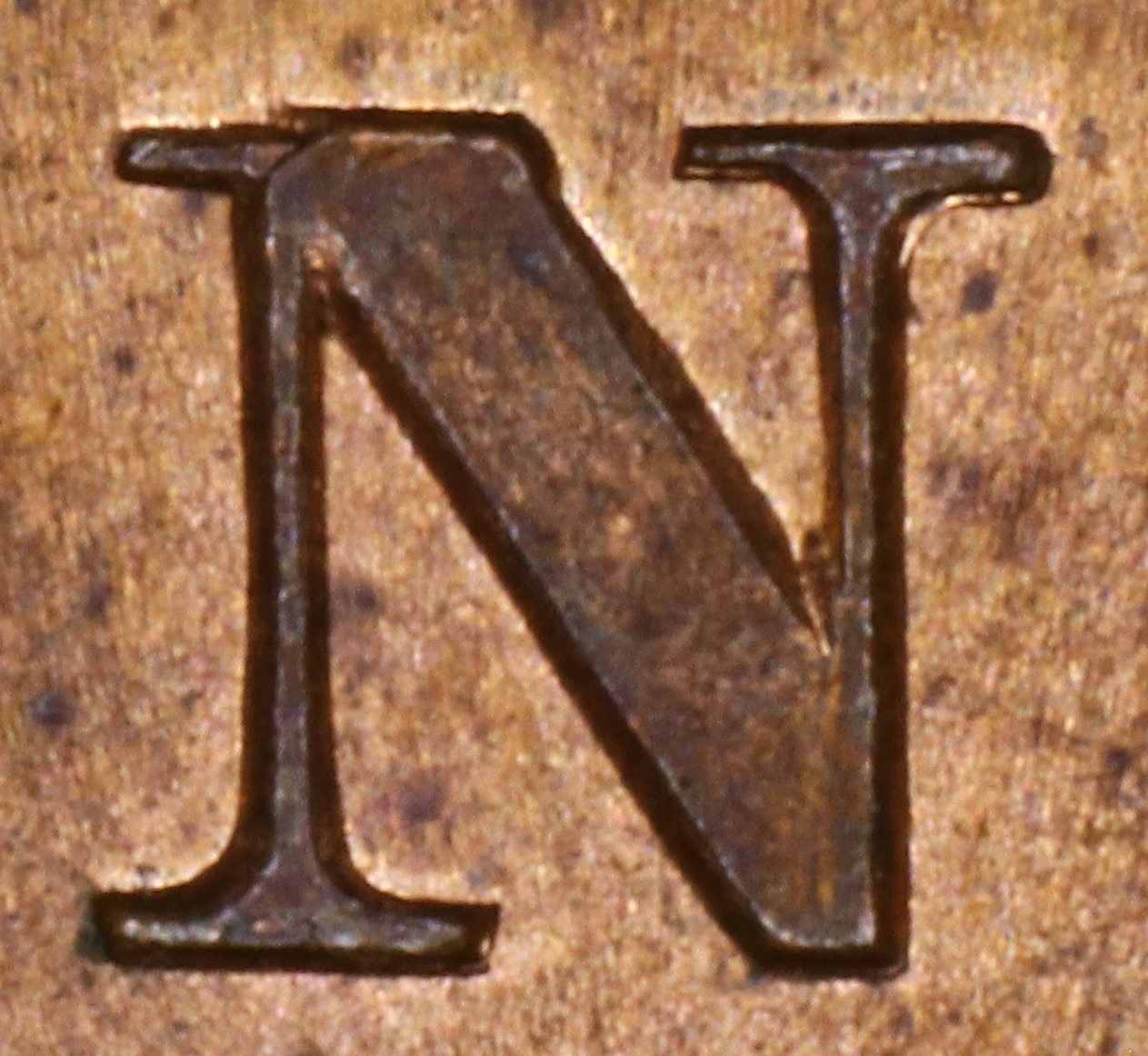
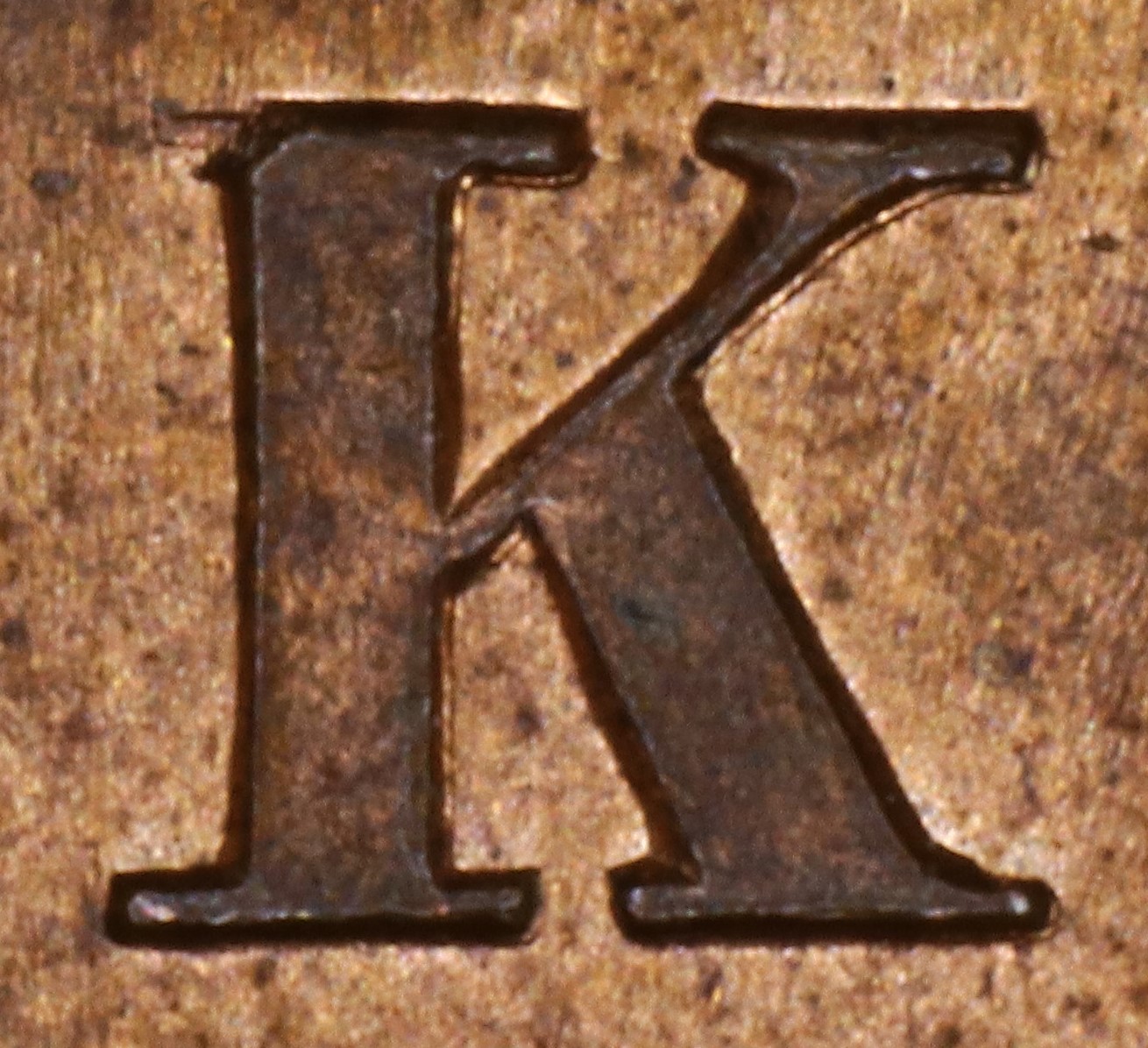
Two die pairs, BUC-222 and BUC-232 share the reverse die R232, which has a die-defining sharply double punched K in BANK. This facilitates quickly zeroing in on identifying these two die pairs.
C. Obverse Die Details
1. Obverse O231 Die Cracks and Die State Progression
Summary: BANK OF UPPER CANADA * 1850 *
Red = area with die crack(s) observed in most advanced die pair state
Die Pair State Progression
Abbreviations: Cr = crack, T = trace, S = small, M = moderate, L = large
| Die Pair State | Obverse Characteristics |
| 232.1 | Cr BANK OF (circular, T) |
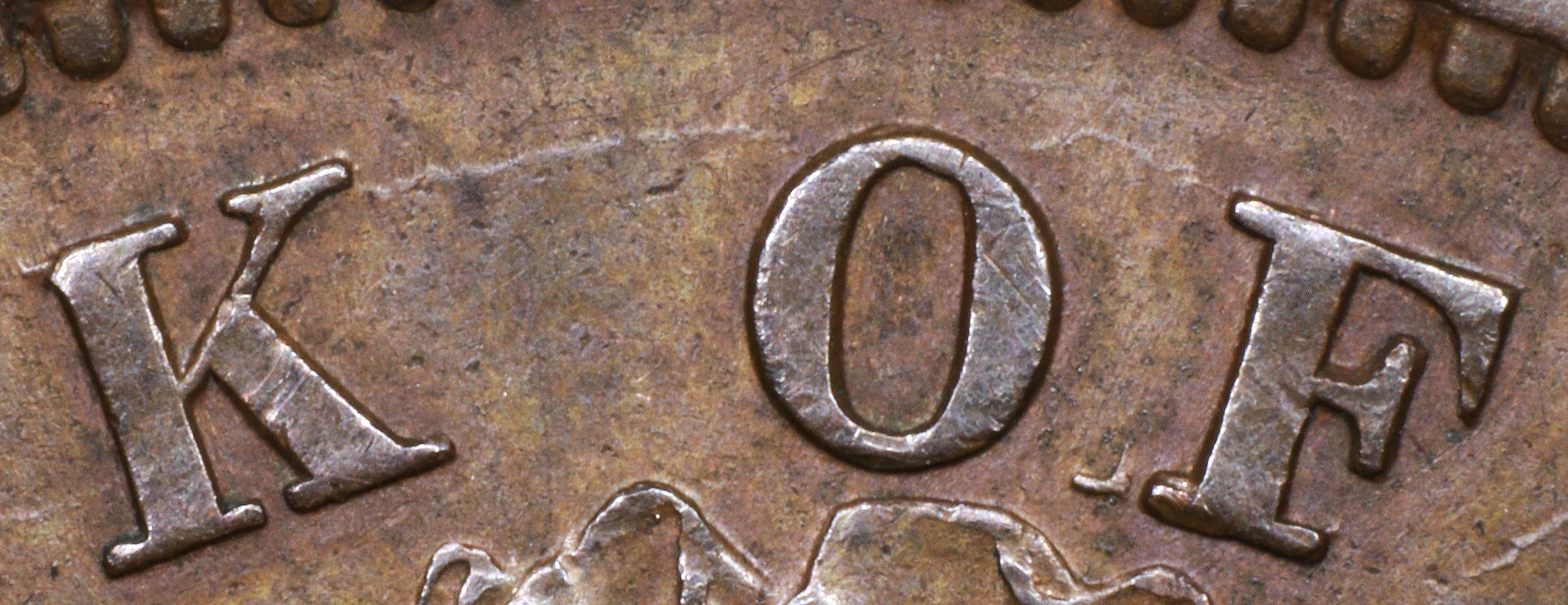
BANK OF (state 232.1) |
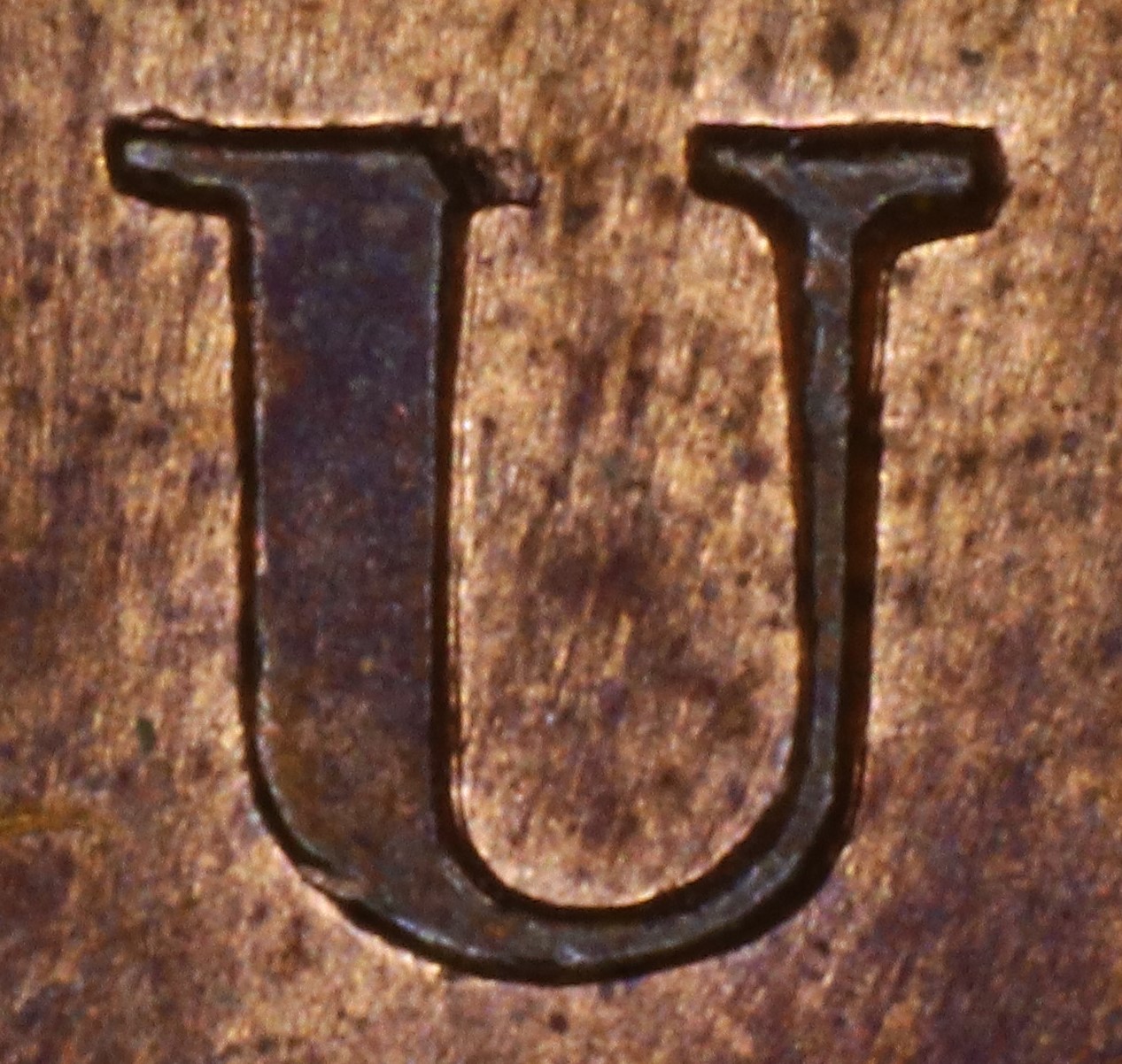
2. Obverse O231 Broken Letters Unrepaired or Repunched
Summary: BANK OF UPPER CANADA * 1850 *
Letter color code: Black = normal, Green = broken & unrepaired, Brown = broken with noteworthy repunching
BANK |
BANK |
BANK |
UPPER |
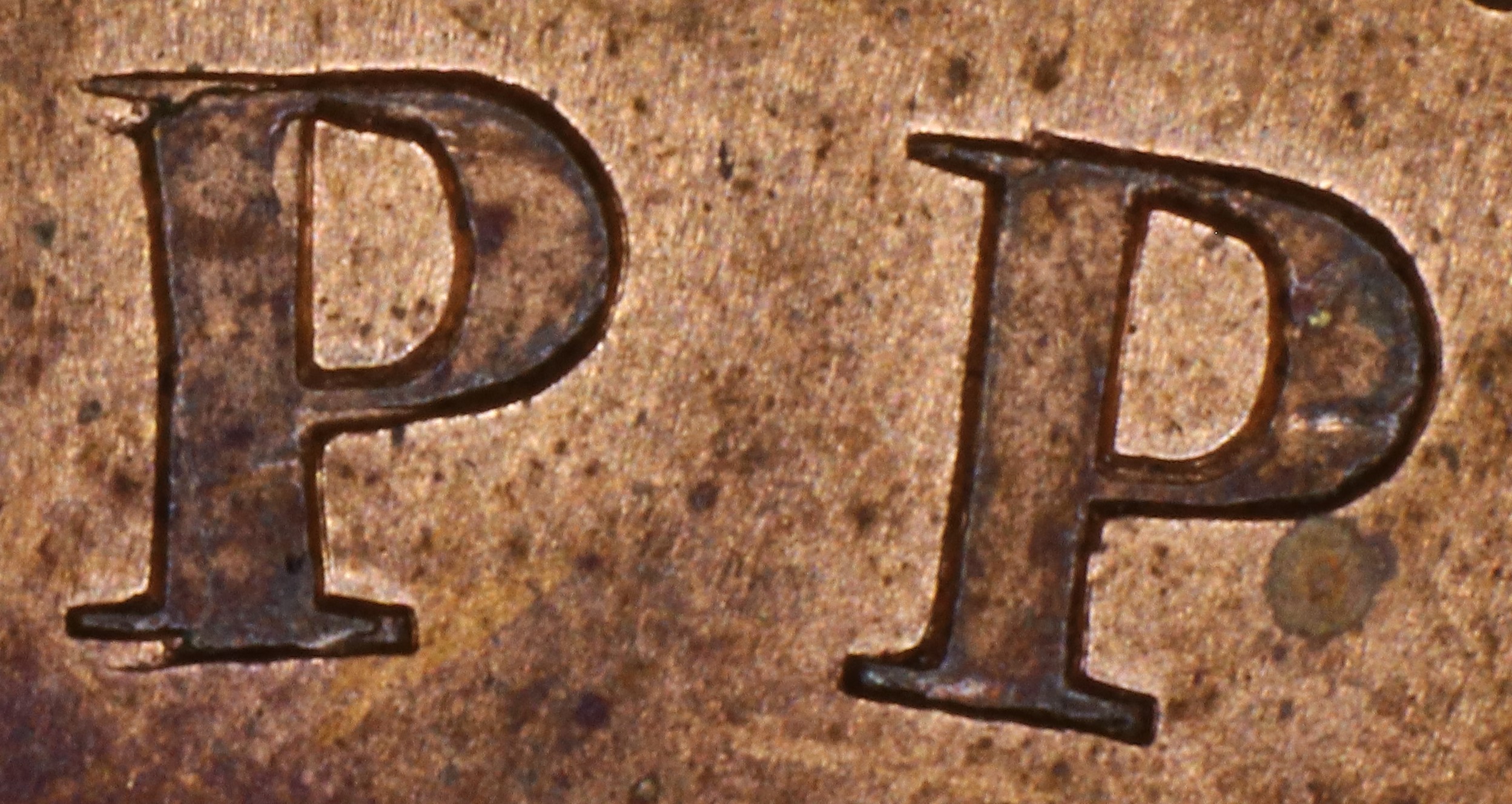
UPPER |
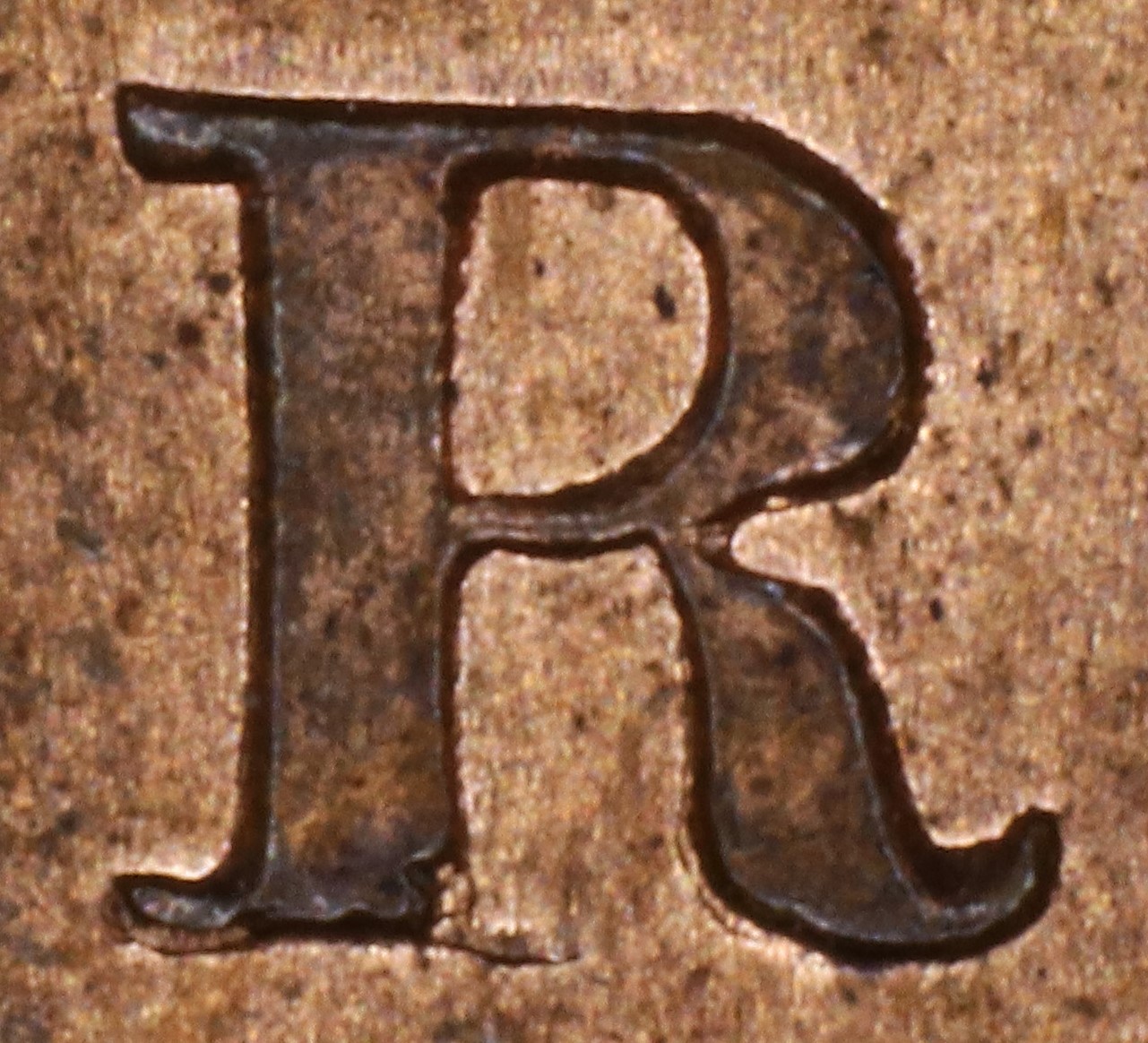
UPPER |
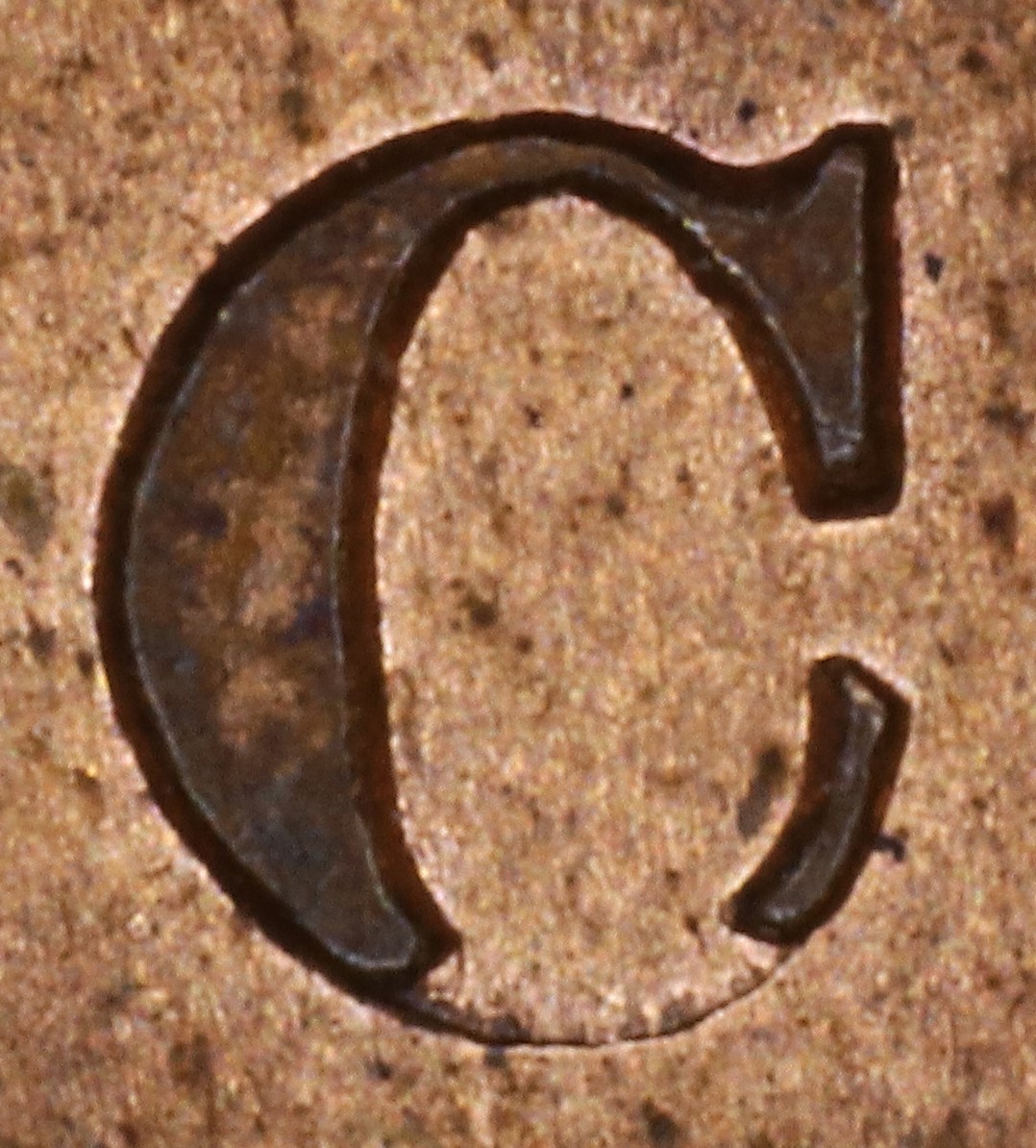
CANADA |
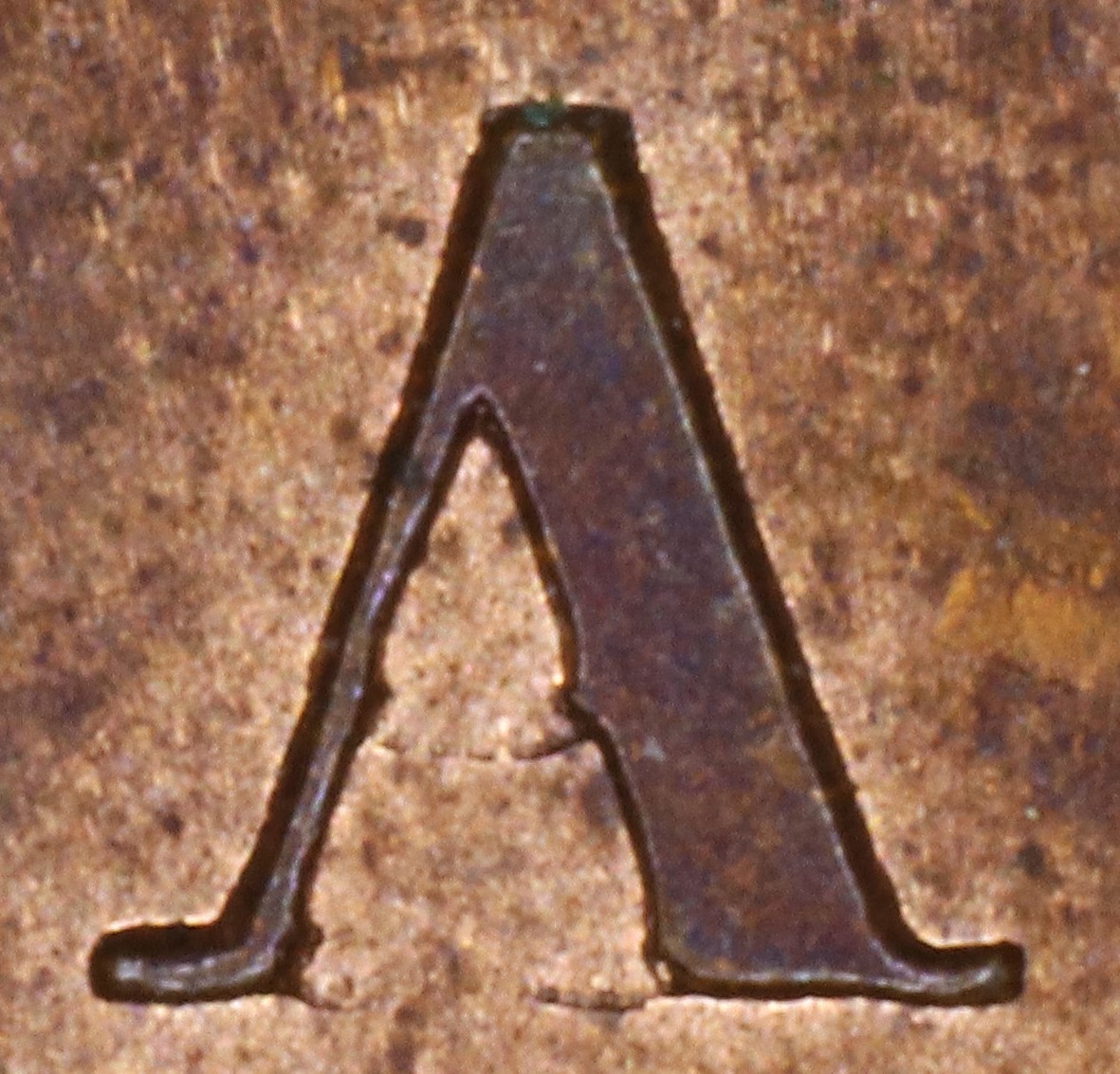
CANADA |
Special Comments:
In BANK the N is repunched in lower relief in a new font with thin serifs. The thin serifs of the new font show at the upper left and the left top of the right leg, where the original letter had broken.
In UPPER the Ps are repunched in slightly lower relief in a new font where the upper left serif tapers (in the original font they were parallel). The first P is repunched low, so the seifs at the left are doubled and the ragged edge of the upright of the original P shows at the top.
3. Obverse O231 Die Clashes, Gouges, and Misc. Features
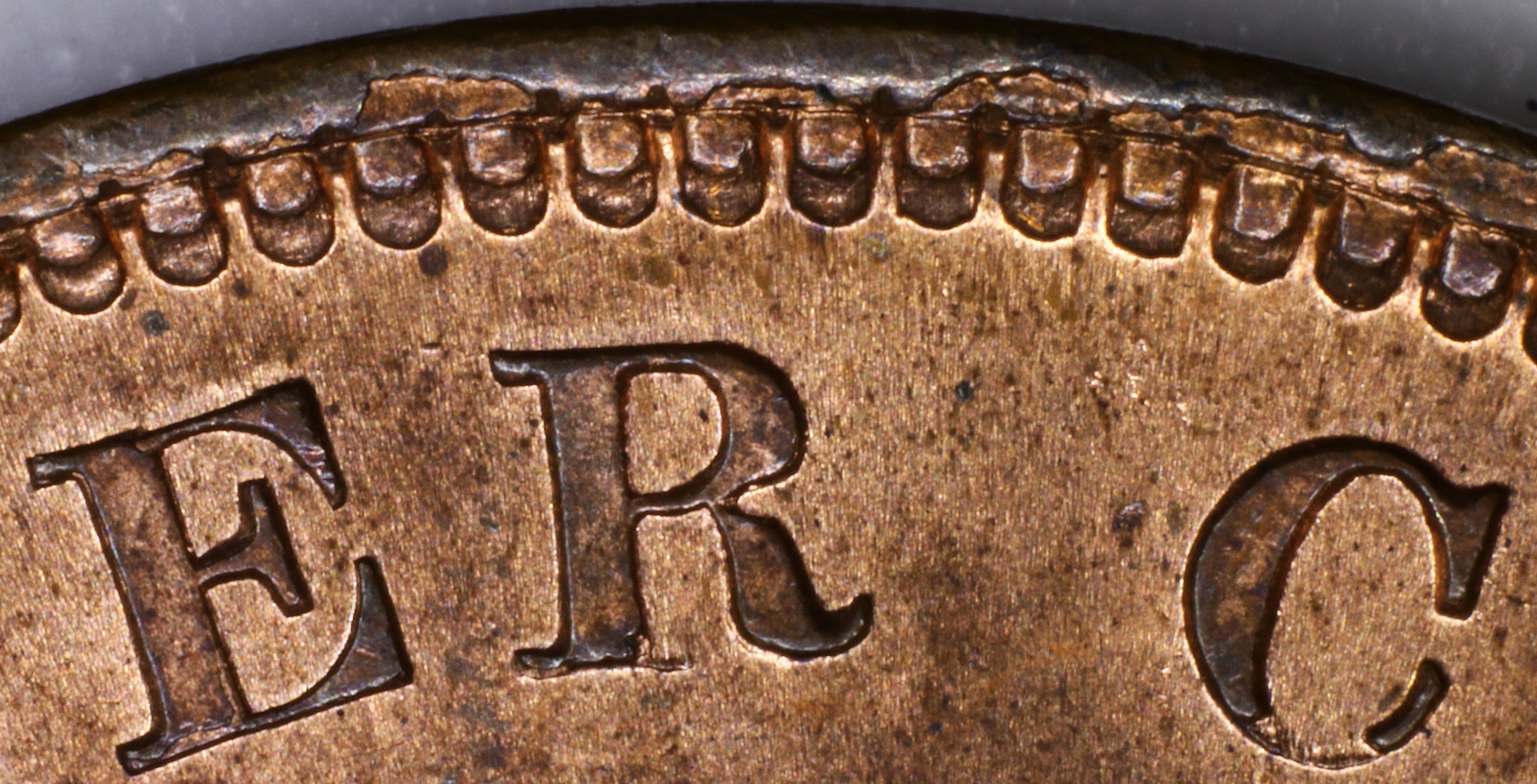
Cud on rim over UPPER CANADA |
D. Reverse Die Details
1. Reverse R232 Die Cracks and Die State Progression
No die cracks noted. Die pair state progression only from obverse markers.
2. reverse R232 Broken Letters Unrepaired or Repunched
Summary: BANK TOKEN ONE PENNY
Letter color code: Black = normal, Green = broken & unrepaired, Brown = broken with noteworthy repunching
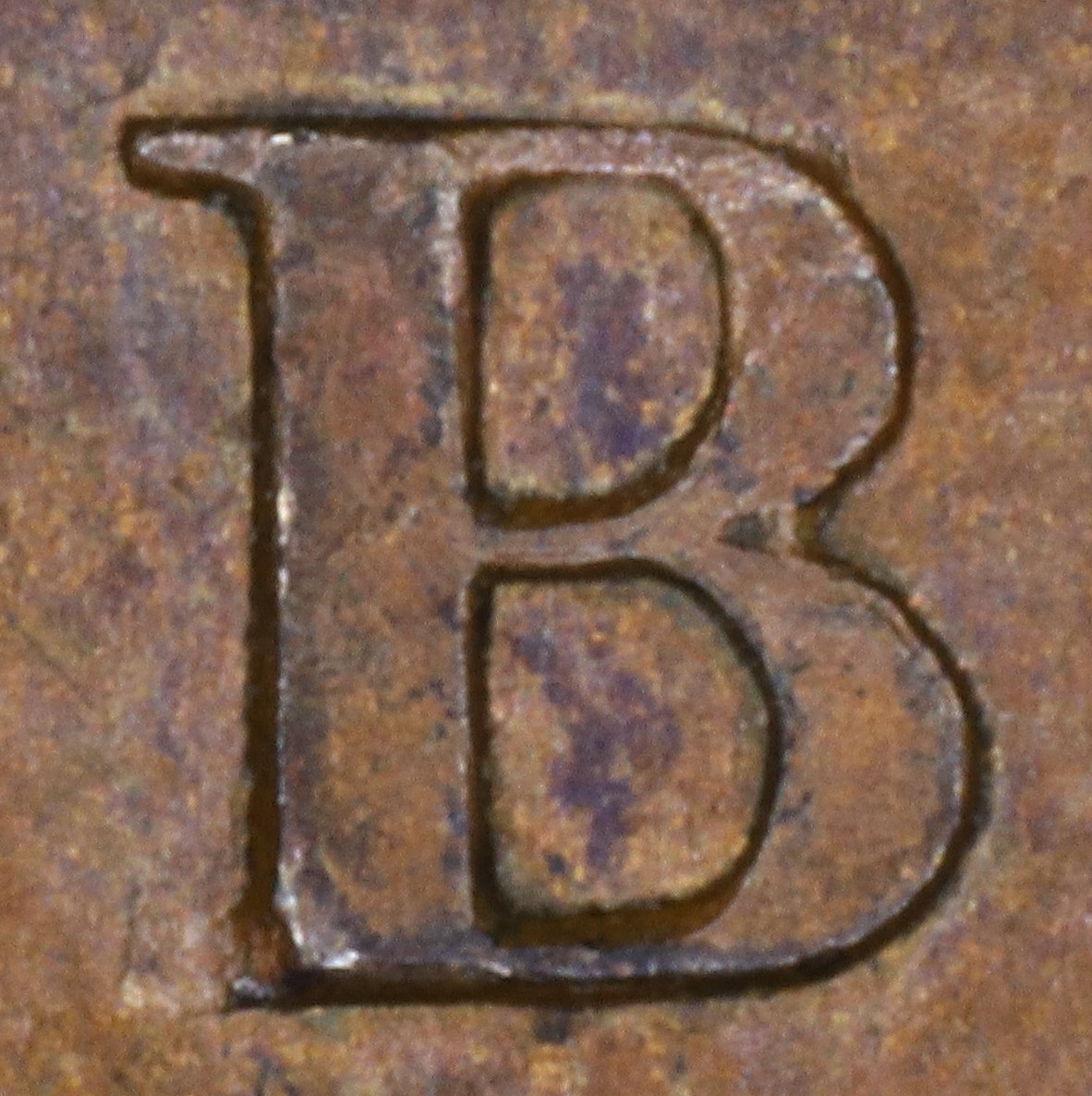
BANK |
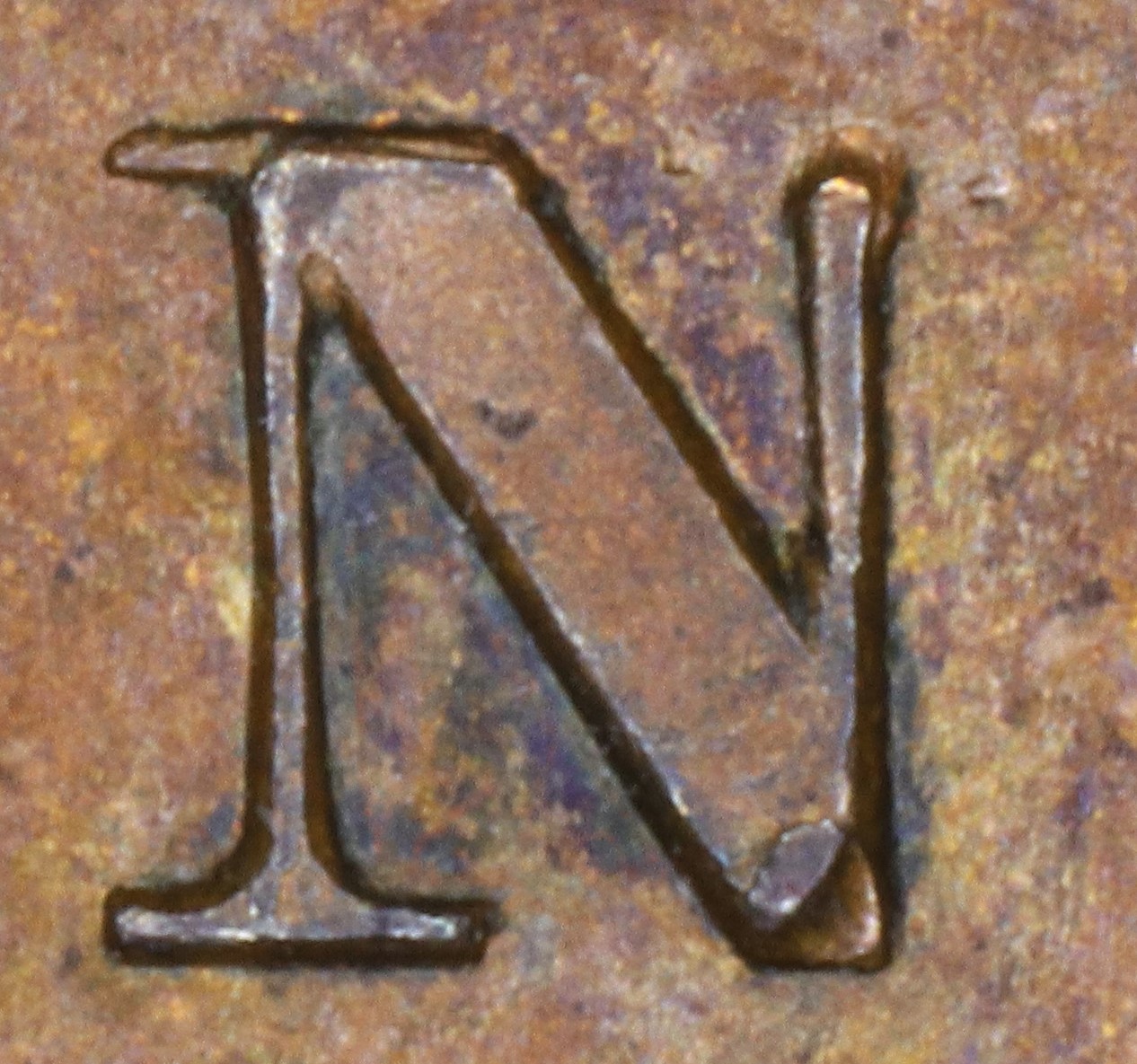
BANK |
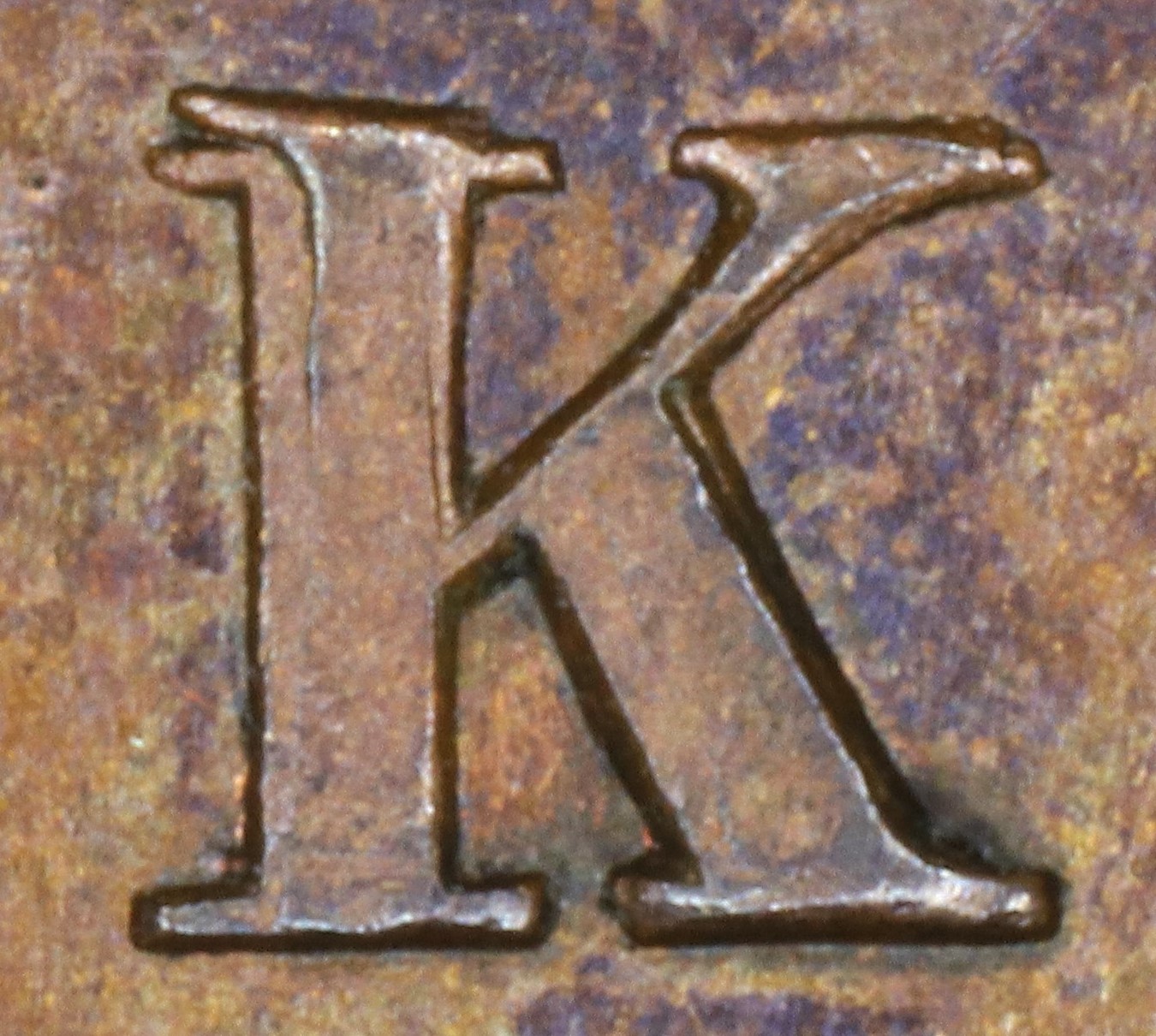
BANK |
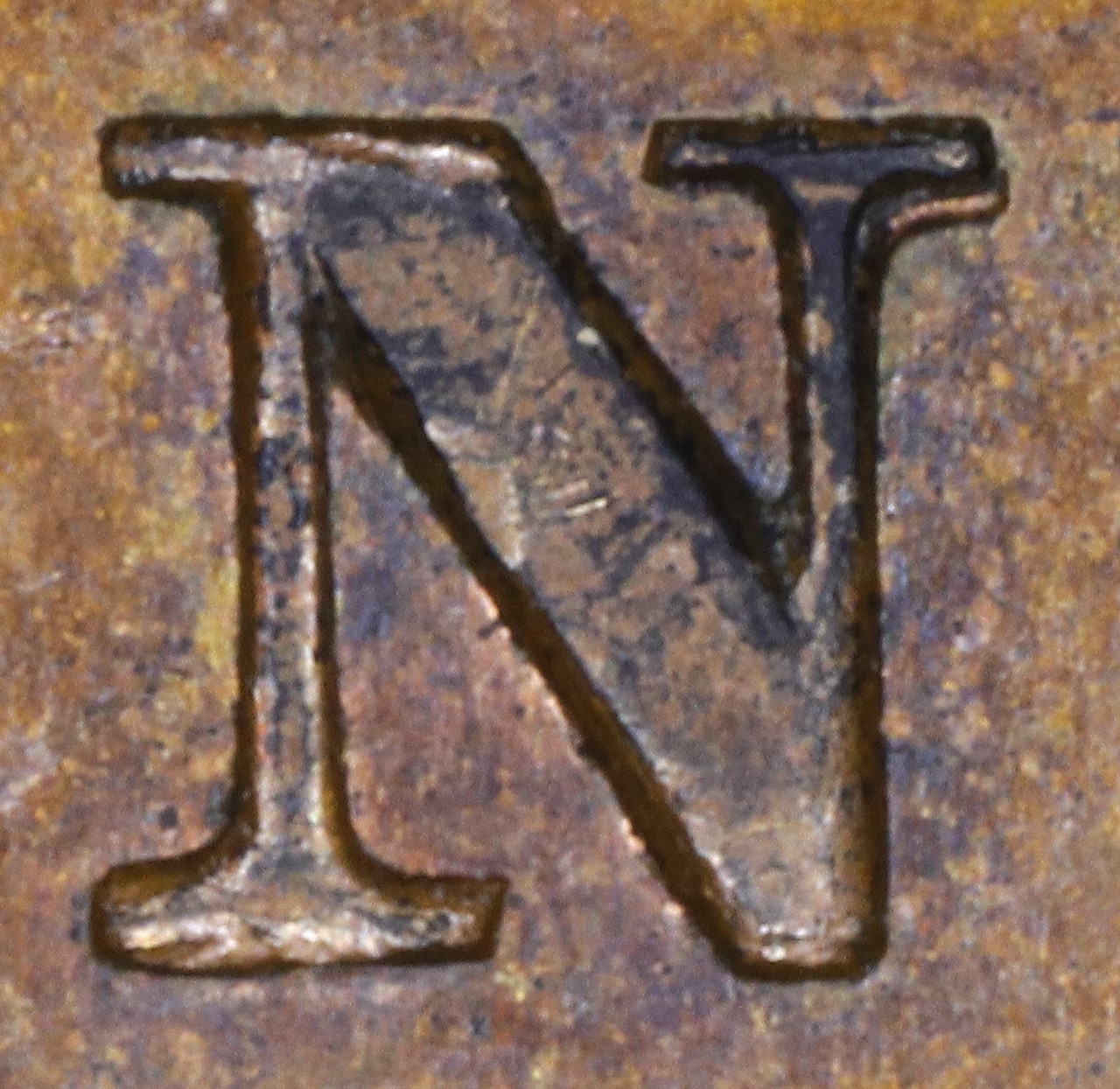
PENNY |
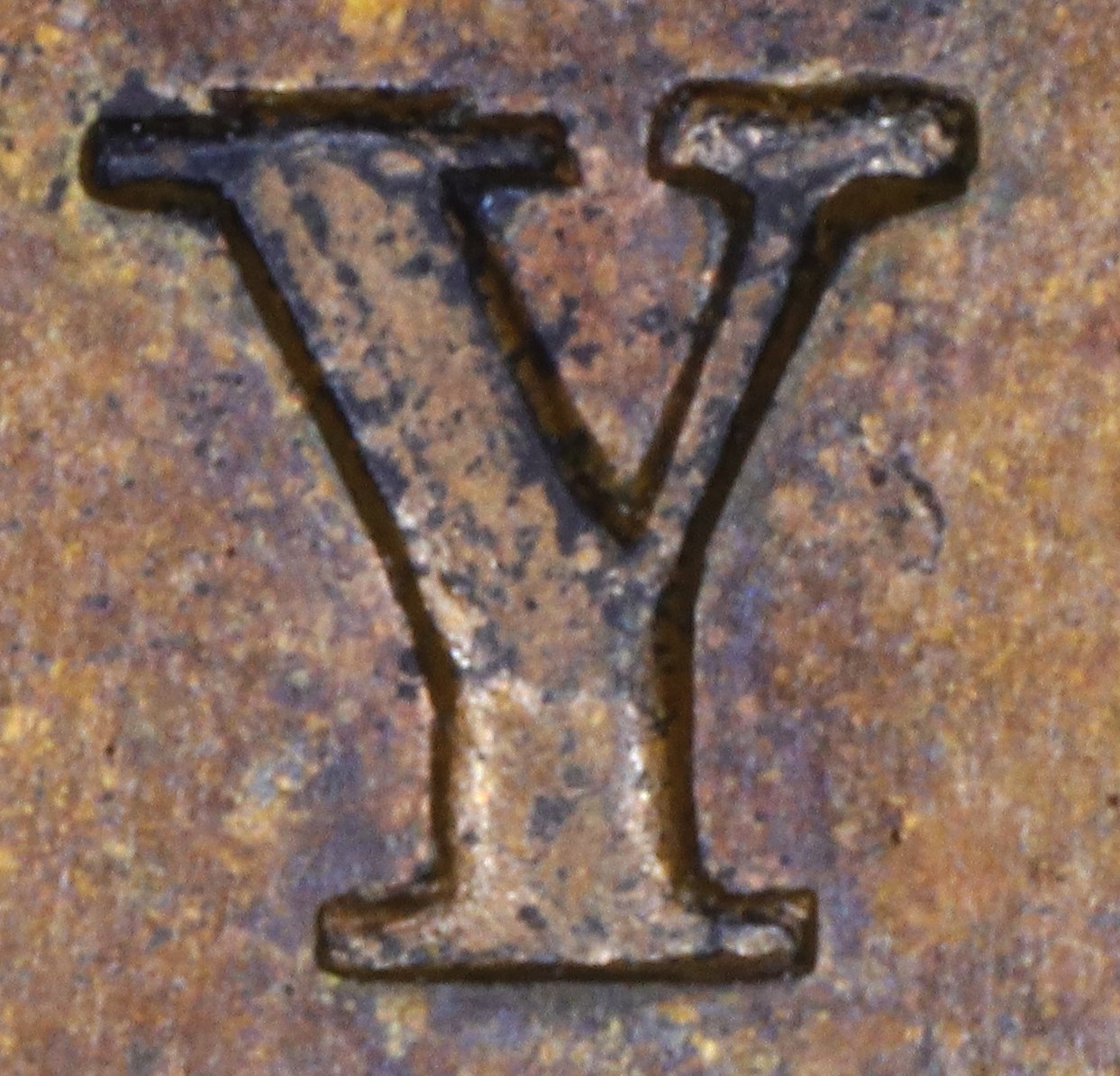
PENNY |
Special Comments:
In BANK the N is repunched restoring the upper left serif, but not the serifs at the top of the right leg broken off the original font. Because the new letter was punched in slightly lower relief and slightly higher than the original, one can still see the broken edges of the original letter to the left of the serif and below the top of the original N.
In BANK the K is repunched tilted to the upper back, restoring the upper right serif at the top of the upright that had broken off the original letter. The tilted repunch caused doubling of the left serif and upper back of the upright.
In PENNY the N is repunched such that the right serif on the right leg top is doubled.
In PENNY the Y is repunched slightly tilted, so the new serifs at the top of the left arm are lower than the broken top of the original letter.
3. Reverse R232 Die Clashes, Gouges, and Misc. Features
None noted.