
Bank Of Upper Canada 1850 Penny
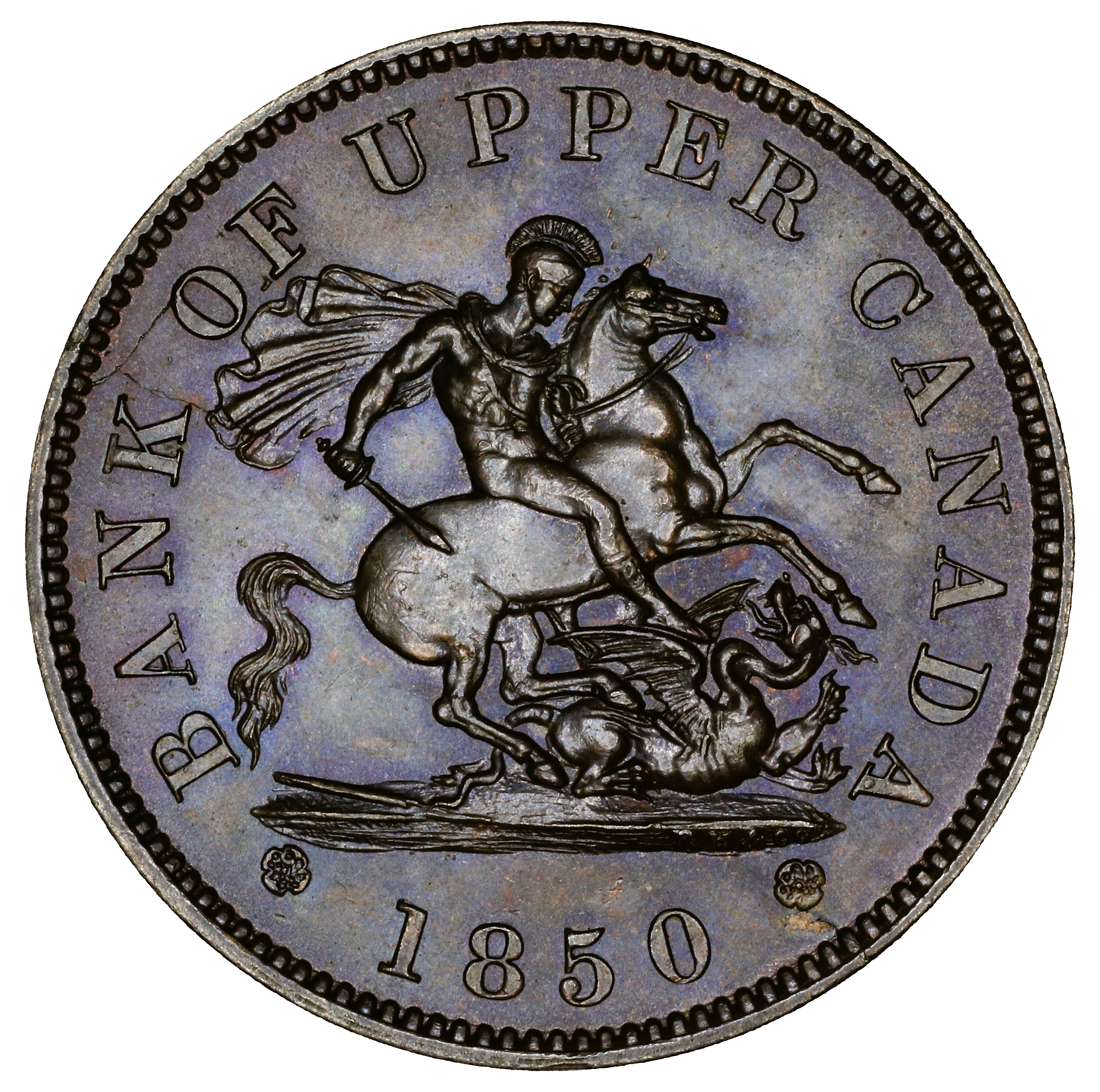
BUC-209
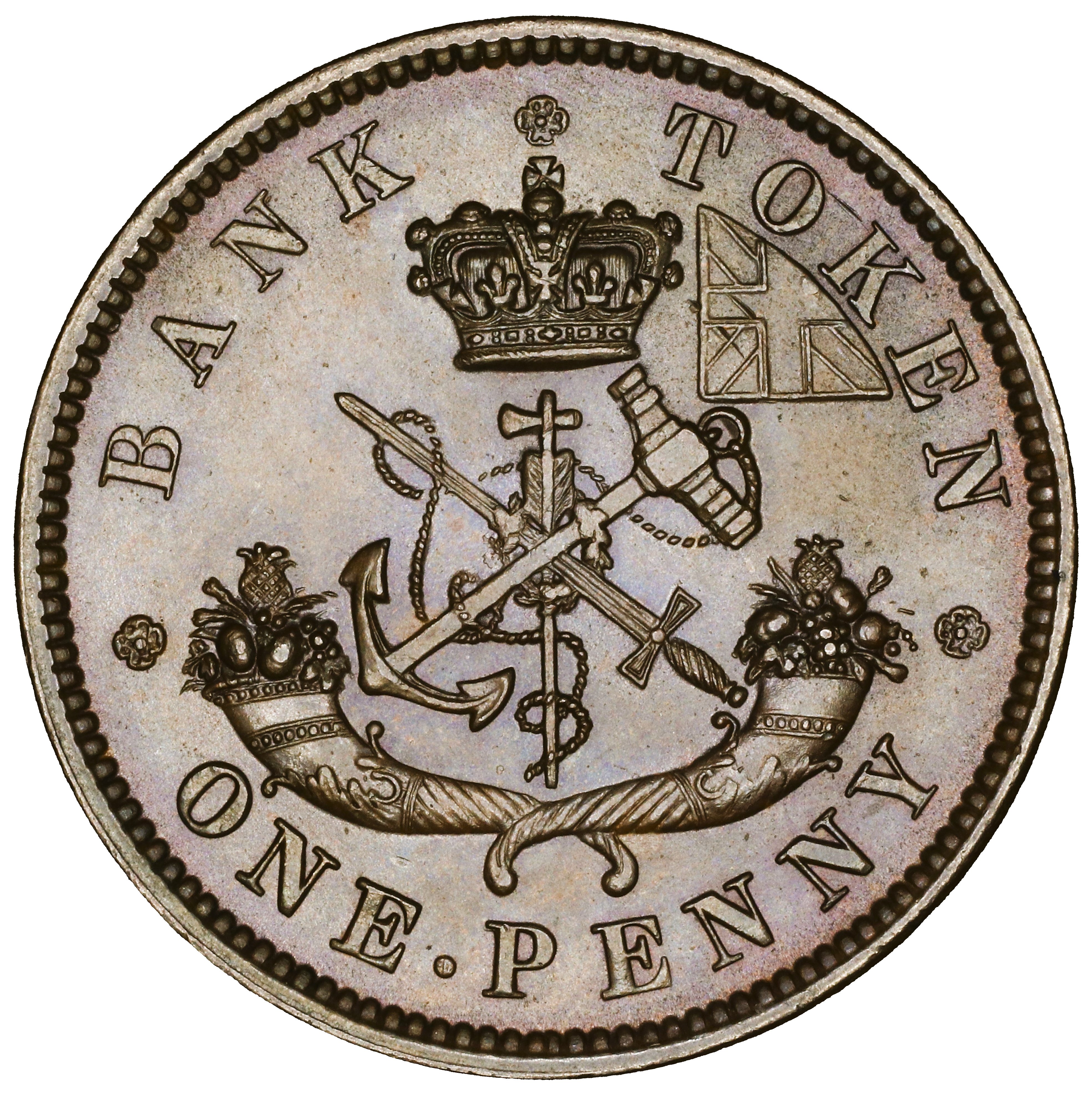
Courteau R2
B. Die Pair-Specific Comments
Two obverse dies seem to be associated with the gouged R208 die. Courteau recognized only one pair and called it number 209. His description of the reverse notes the die gouge between the O-K, but fails to note the additional 1-2 gouges on the shield below. There are two states of the damaged R208 die. The first has the gouge between O-K and one gouge on the shield and the second (and later), state has another gouge on the shield below the first. Each obverse seems to be associated with only one of the reverse die states. Thus, we catalog as BUC-208A the die pair with the reverse in the earlier state and BUC-209 the die pair with the reverse in the later state.
C. Obverse Die Details
1. Obverse O209 Die Cracks and Die State Progression
Summary: BANK OF UPPER CANADA * 1850 *
Red = area with die crack(s) observed in most advanced die pair state
Die Pair State Progression
Abbreviations: Cr = crack, T = trace, S = small, M = moderate, L = large
| Die Pair State | Obverse Characteristics |
| 209 | No die cracks. |
| 209.1 | Cr edge to cape, branching to OF (T) |
| 209.3 | cr, new cr CANADA (T) |
BANK, OF |
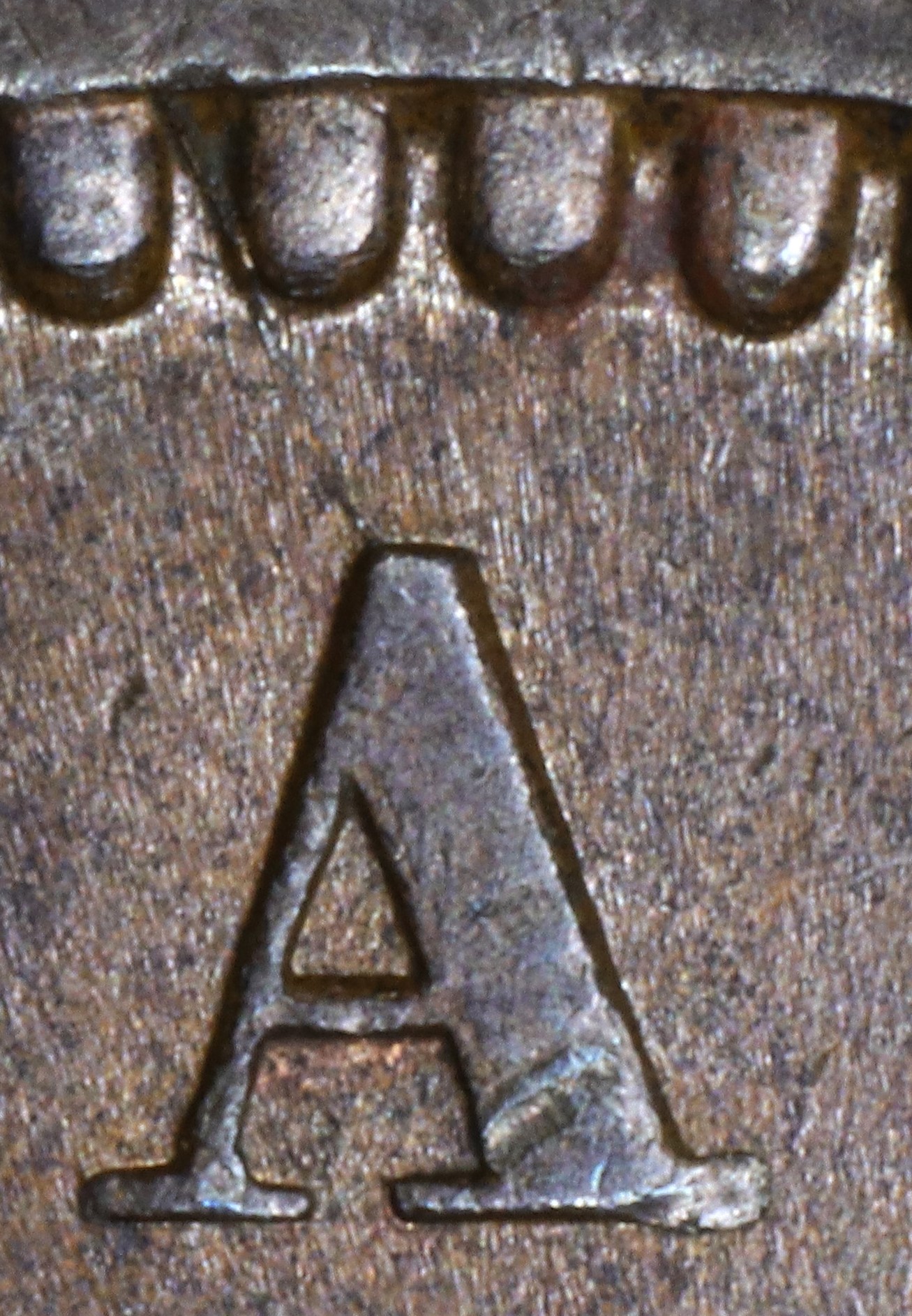
CANADA |
2. Obverse O209 Broken Letters Unrepaired or Repunched
Summary: BANK OF UPPER CANADA * 1850 *
Letter color code: Black = normal, Green = broken & unrepaired, Brown = broken with noteworthy repunching
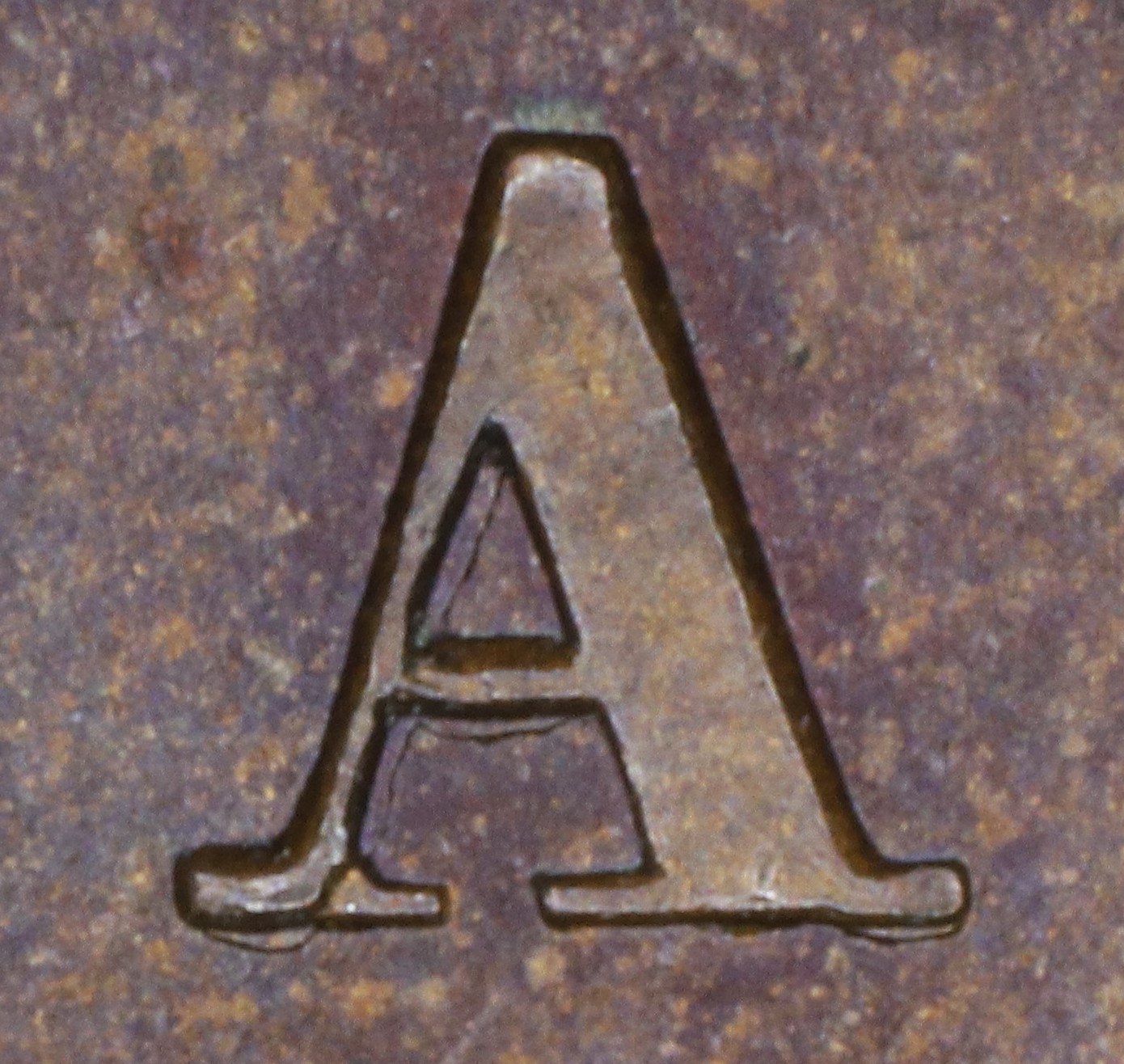
BANK |
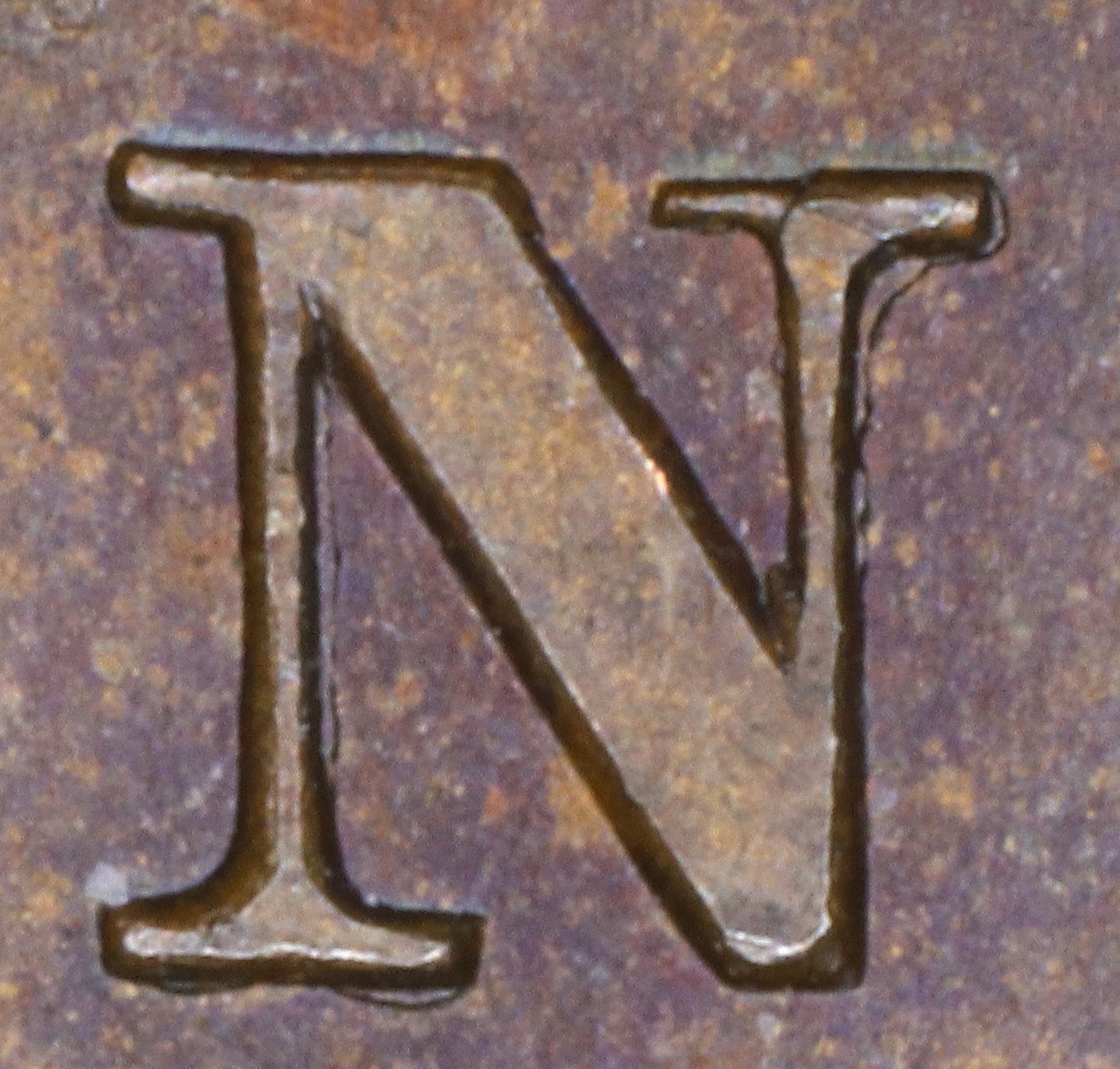
BANK |
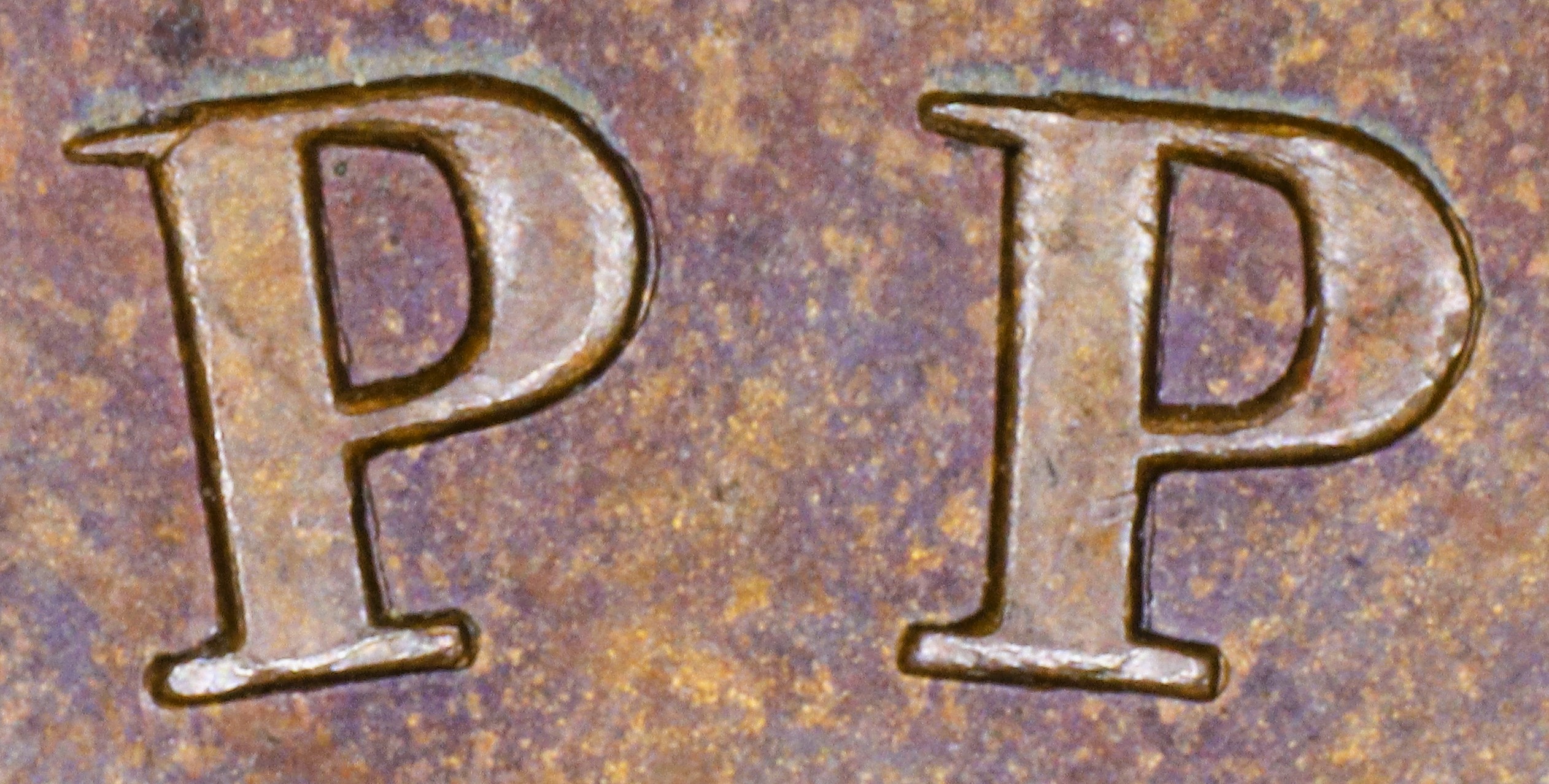
UPPER |
Special Comments:
The In CANADA the N has been repunched in a new font with very thin serifs. The thin serif shows at the L top of the R leg, where the original letter had been broken.
CANADA is repunched with the serif doubled at the top.
3. Obverse O209 Die Clashes, Gouges, and Misc. Features
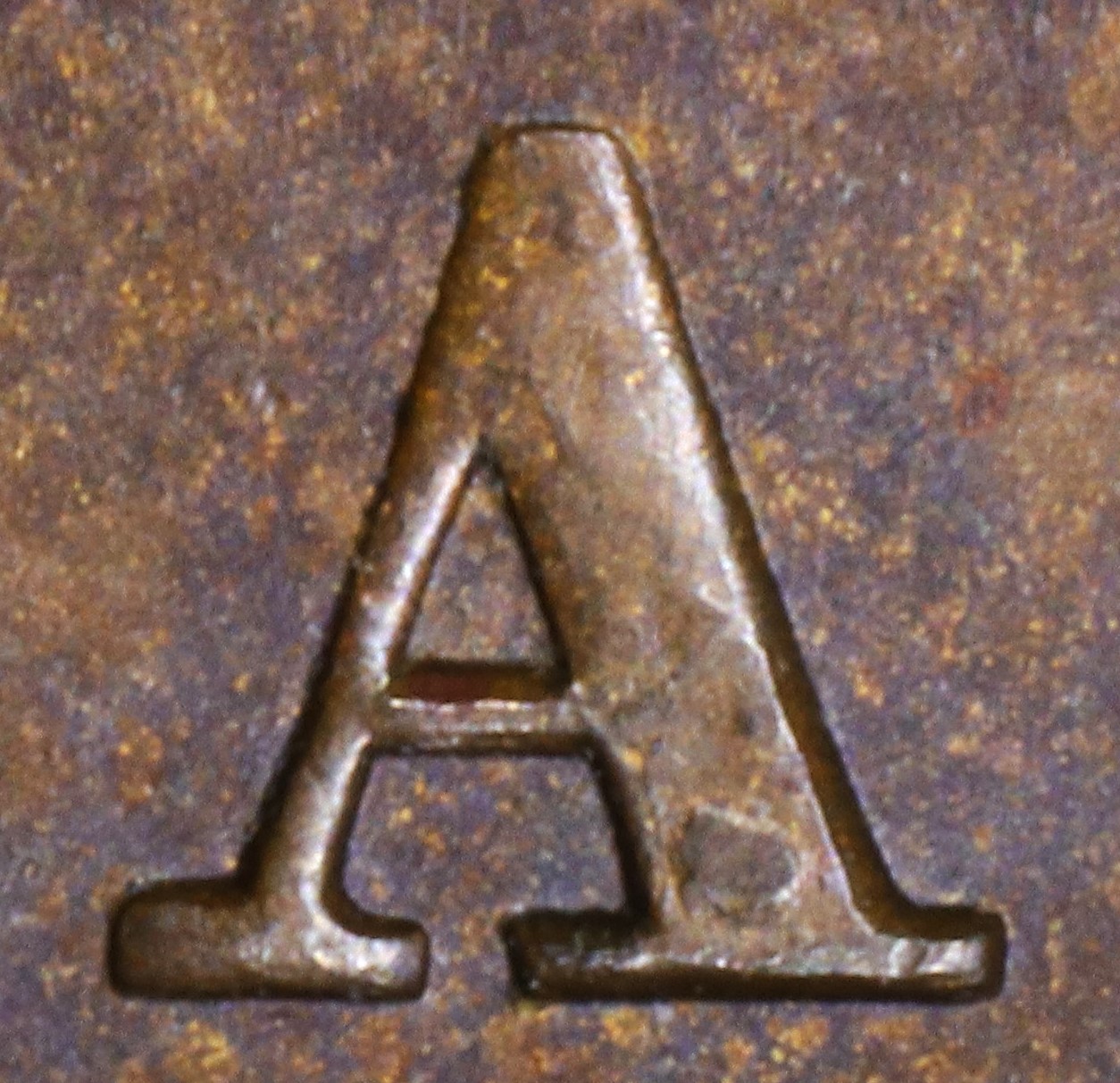
CANADA Rust spot on lower R leg |
D. Reverse Die Details
1. Reverse R208 Die Cracks and Die State Progression
No die cracks noted. Die pair state progression only from obverse markers.
2. Reverse R208 Broken Letters Unrepaired or Repunched
No die cracks noted. Die pair state progression only from obverse markers.
3. Reverse R208 Die Clashes, Gouges and Misc. Features
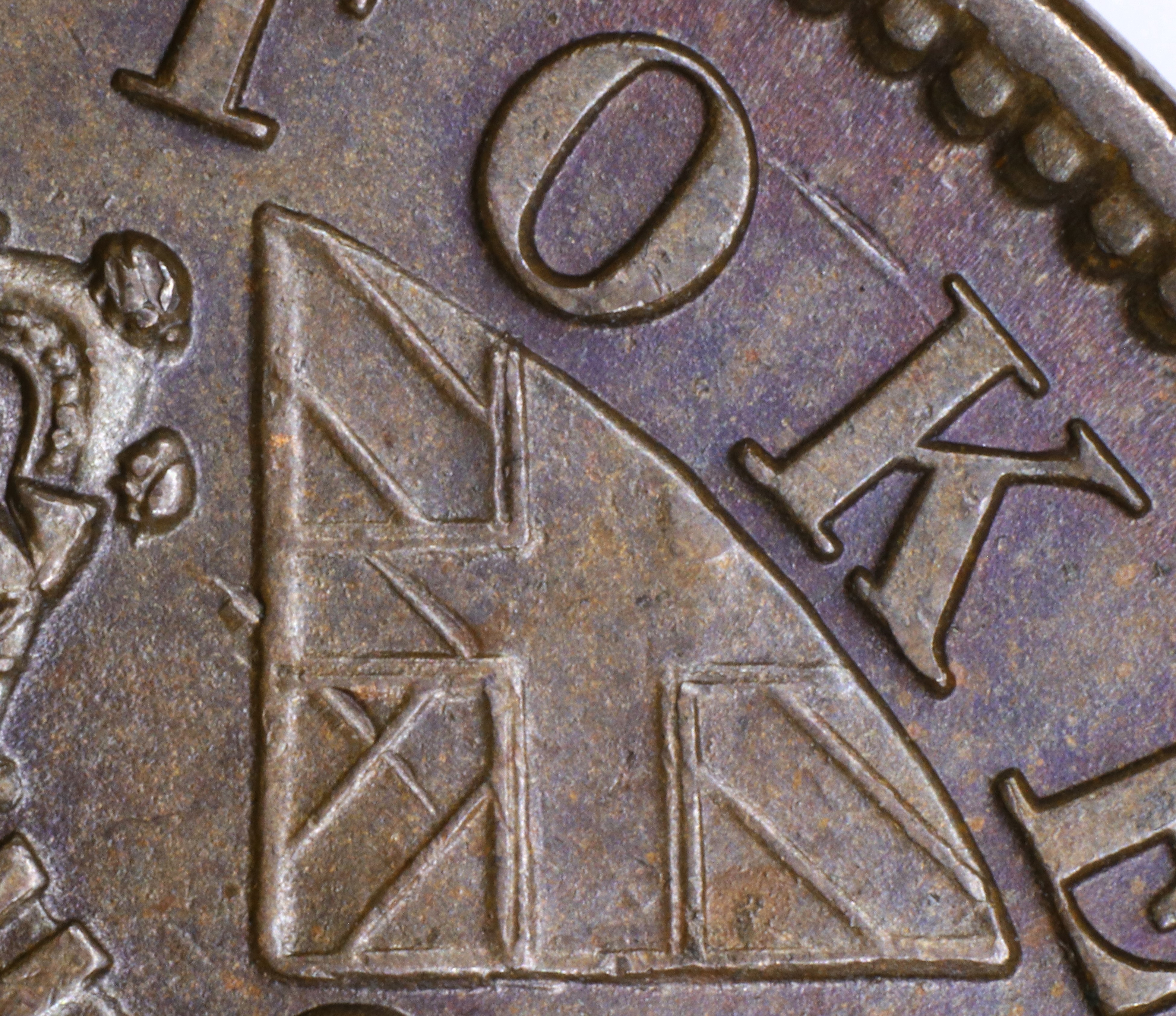
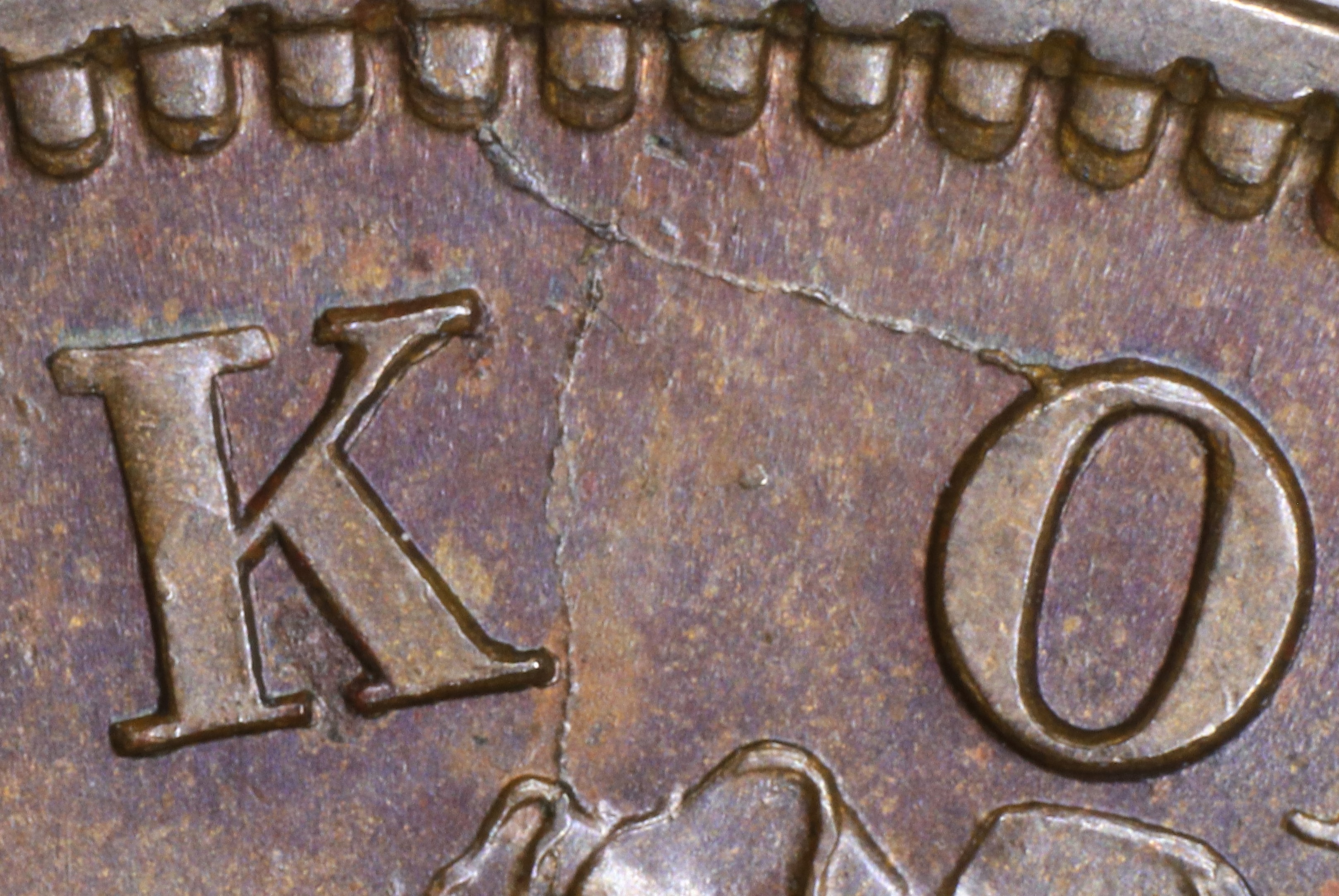
Two die gouges: one in O-K and one on shield |
Special Comments:
Each of the two die gouges consists of two parts: a raised line with recessed area above. Such a defect could have been caused by a glancing blow with a straight edged object, leaving a gouge and pushing the displaced metal up on the far side.